A wet basement has a cause. We find it — then we fix it.
One trade, done properly: interior and exterior waterproofing, crack injection, sump pumps and weeping tile for Barrie homes — diagnosed first, fixed right-sized.
- Free on-site assessment with a written scope and quote
- Interior systems install year-round — even in January
- We fix the cause of the leak, not just the wet drywall
Five ways to keep water out of your basement
Different problems need different fixes. A single leaking crack rarely needs excavation; a failed weeping tile can't be solved with sealant. Here is the full toolkit we work with.
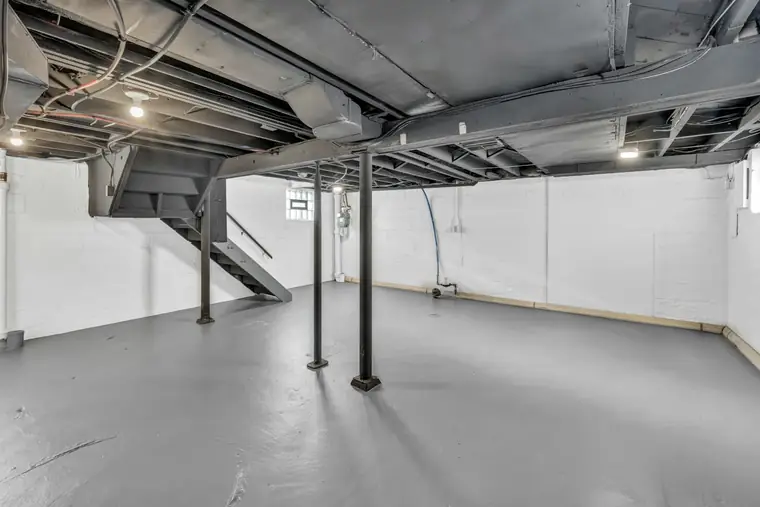
Interior Waterproofing
A hidden drainage channel and sump inside the basement. Installs year-round; landscaping untouched.
Learn more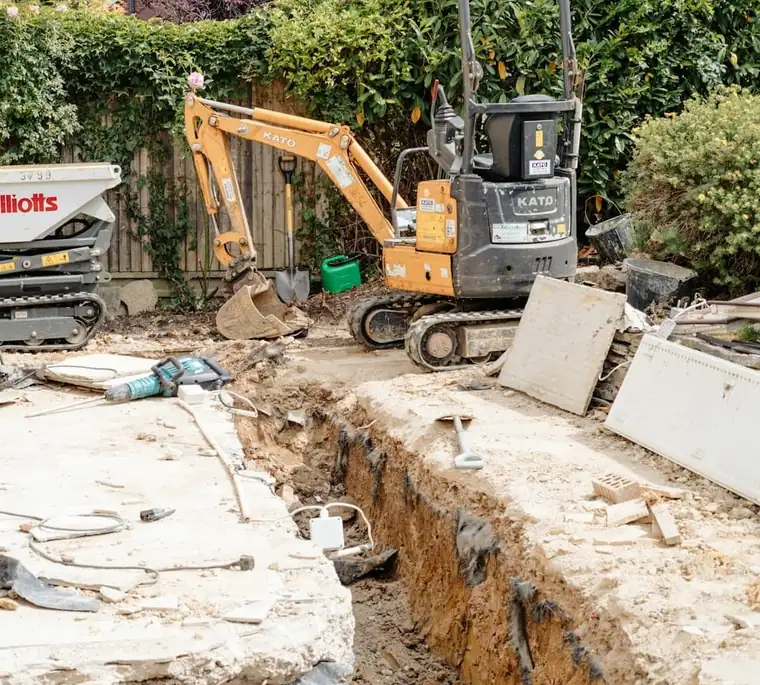
Exterior Waterproofing
Excavation, membrane, drainage board and new weeping tile — water stopped outside the wall.
Learn more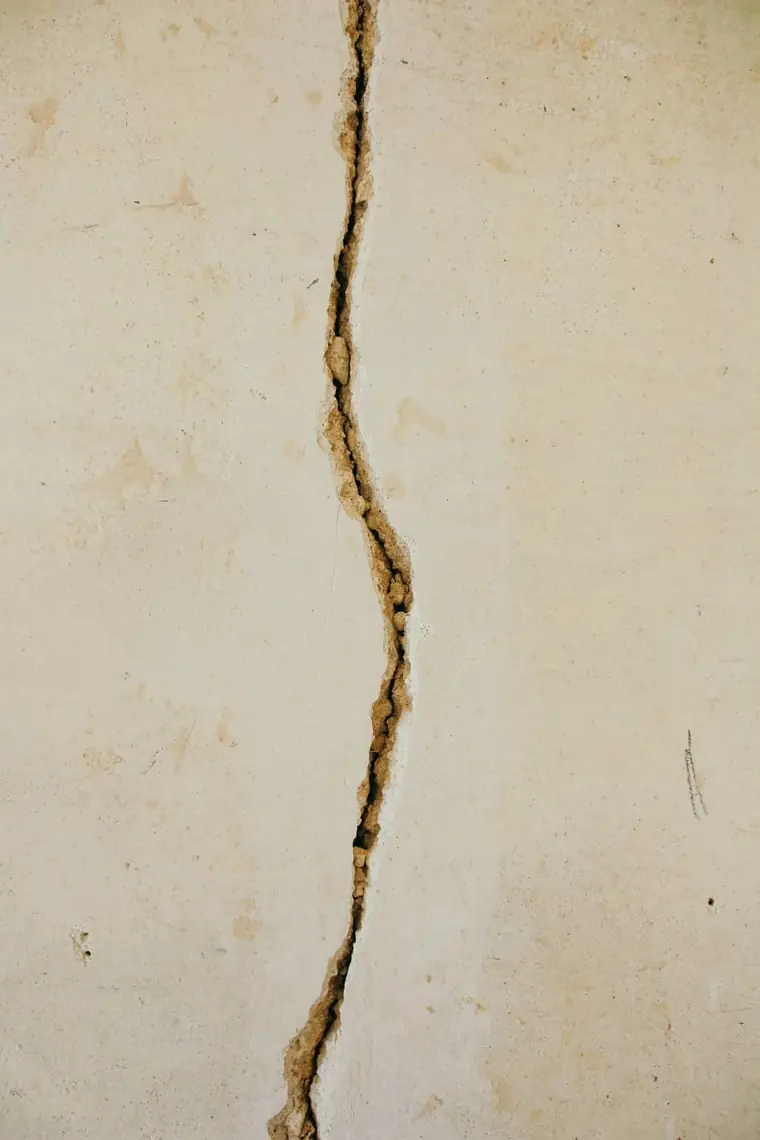
Foundation Crack Repair
Leaking cracks injected through the full wall thickness — fixed from inside, in hours.
Learn more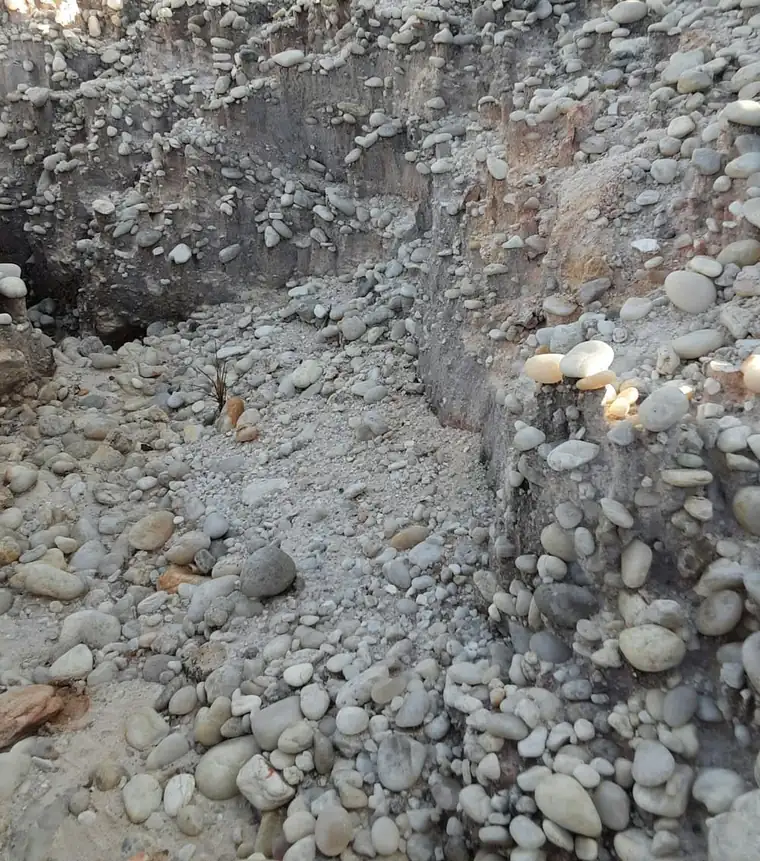
Sump Pumps
New pits, replacements and battery backups that keep pumping when the power fails.
Learn more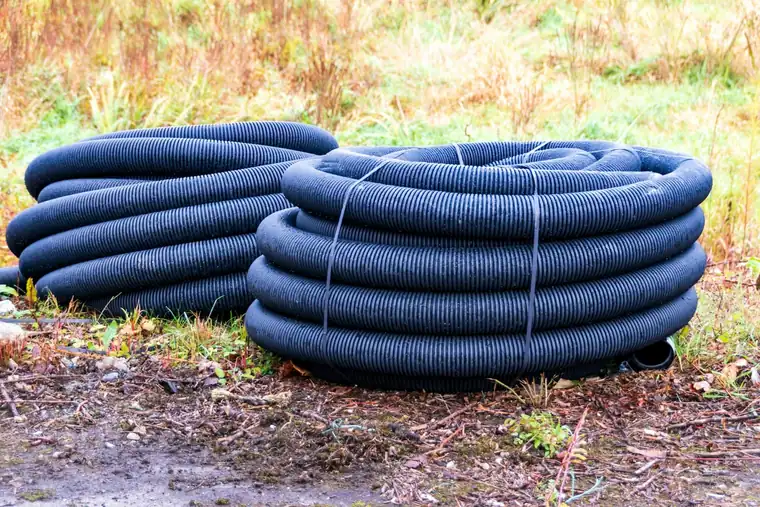
Weeping Tile & Drainage
Footing drains, window wells, downspouts and grading — the layer that carries water away.
Learn more
Not sure what you need?
Describe what you see — we will tell you what it usually means, then come confirm it.
Ask usWhy Barrie basements leak
Most wet basements in this area come down to the same short list of causes — and the season matters. The calls we get spike twice a year: during the March–April snowmelt, and after heavy summer storms.
- Freeze-thaw winters. Water in soil and hairline cracks expands as it freezes, widening cracks a little more every year.
- Fast spring melt. A winter's worth of snow turns into ground water in a few warm weeks, and the soil around foundations becomes saturated.
- Aging weeping tile. Many homes built before the 1980s have clay footing drains that have silted up or collapsed; even newer plastic tile clogs with sediment.
- Grading and downspouts. Lots settle over time. Soil that slopes toward the house, and downspouts that drop roof water beside the wall, feed the problem directly.
- Hydrostatic pressure. Saturated soil pushes water through any path it can find: cracks, the cove joint where wall meets floor, pipe penetrations and window wells.
Catch it while it's a repair, not a renovation
Water damage is progressive. Each of these signs is your basement telling you where to look — the three below are the ones we get called about most.
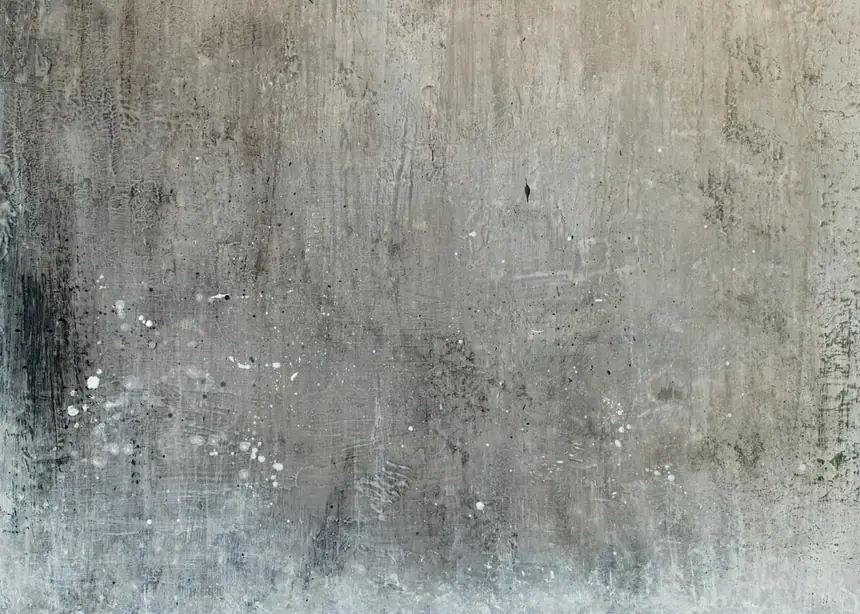
Staining and white mineral bloom
Water is moving through the wall and evaporating inside — the cheapest moment to act.
What it means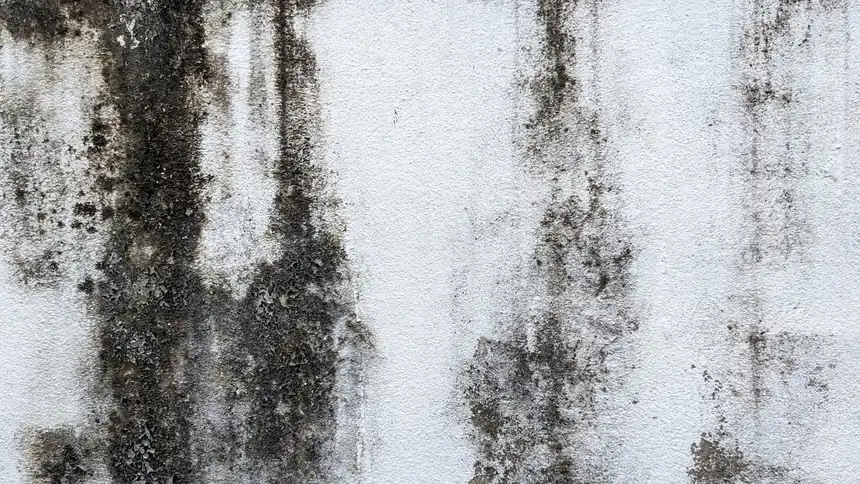
Dark streaks, peeling paint, musty smell
Water arrives regularly and stays long enough to feed mold. The path can be found and closed.
Common fixes
Water on the floor every spring
Ground water has a way in and repeats it every melt. Sealing the surface will not hold.
If it's happening nowFrom first call to dry basement
Four steps, no surprises. The full process, including what happens on the work days, is here.
Tell us what you see
Call or send the form with a few photos — we will say honestly how big it sounds.
Free on-site assessment
We trace where the water enters, inside and out, and explain it in plain language.
Written scope & quote
A written, itemized scope and price. No pressure, no mystery line items.
The work — and cleanup
One to five days for most projects. We protect, work, haul away and walk you through.
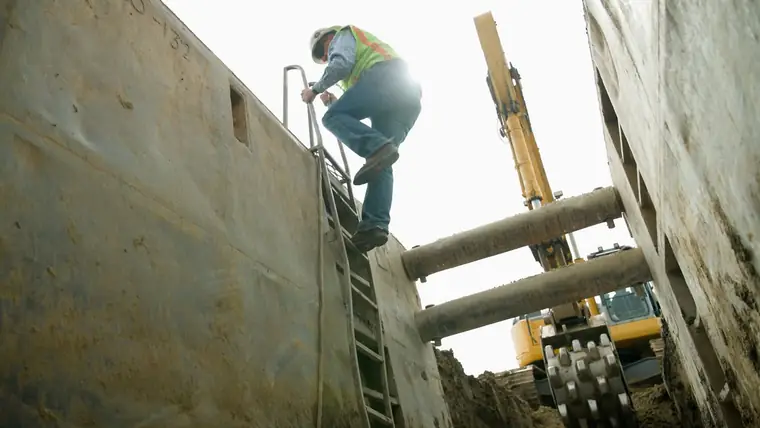
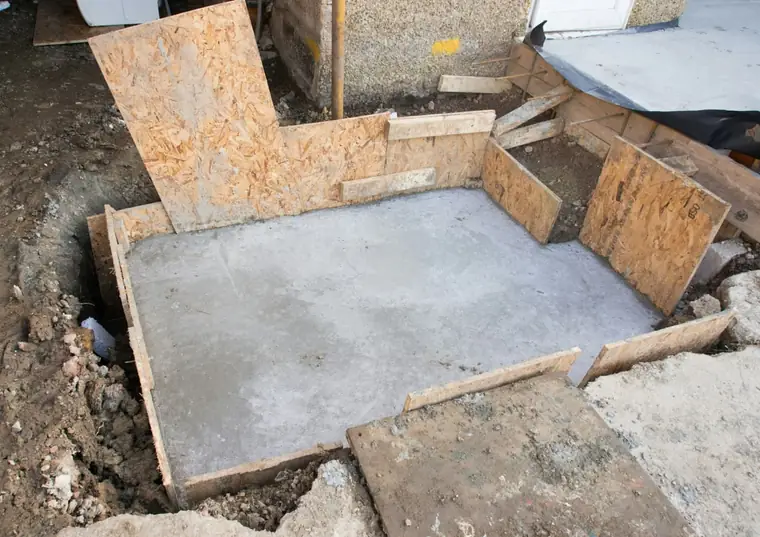
What waterproofing actually looks like
Not glamorous — just methodical. Excavation, drainage stone, concrete and pipe, in the right order, to the right depth.
Interior vs exterior, at a glance
The two main systems solve the same problem from opposite sides of the wall. Here is the honest comparison — the on-site assessment decides which one your house actually needs.
| Interior system | Exterior system | |
|---|---|---|
| What it does | Collects water that reaches the wall and pumps it out before it touches your floor | Stops water outside the wall with a membrane and carries it away in new weeping tile |
| Where the work happens | Inside — the slab edge is opened and restored | Outside — excavation to the footing along treated walls |
| Season | Year-round, including mid-winter | April to November (unfrozen ground) |
| Your yard & landscaping | Untouched | Trench along the treated walls, regraded after |
| Typical duration | 2–3 days | 2 days – 1 week |
| Relative cost | Lower — no digging or hauling | Higher — the most complete fix there is |
| Best for | Cove-joint seepage, high water table, finished landscaping, winter deadlines | Chronic wall seepage, block foundations, failed weeping tile, walls with movement |
Many houses get a combination: exterior work on the worst wall, interior management for the rest. That is a diagnosis call, not a menu choice — book the free assessment.
What actually decides the price
We don't quote from the phone, because these four things swing the number more than anything else — and none of them can be seen from a phone.
The assessment is free and the quote is written and itemized — you see exactly what each part of the fix costs before you commit to anything.
Barrie winters are the whole reason this trade exists here
Every winter loads the ground around your foundation with moisture; every spring releases it all at once. Freeze-thaw cycles widen hairline cracks year after year, and the March melt finds every weakness at the same time — which is why waterproofing calls across the region peak in April.
- Winter is the smart booking window. Assessments done in January hold the first excavation slots of April, before the melt proves the point the hard way.
- Frozen discharge lines are a real failure mode. We route and grade discharge so meltwater keeps moving even when the nights are still below zero.
Know your basement before you need us
Practical, no-sales-pitch guides written for Simcoe County houses. Read them, do the free parts yourself, and call when something needs a crew.
Water in the basement — right now
Safety, salvage, insurance photos — the first 30 minutes, in order.
Read guideThe Barrie spring melt checklist
Ten checks in early March, before the snow becomes ground water.
Read guideWhite powder on basement walls
Efflorescence vs mold in 30 seconds — and what it says about the wall.
Read guideSump pump maintenance schedule
The twice-a-year, ten-minute routine that catches failures early.
Read guideBarrie first, Simcoe County always
We are based in Barrie and work in every neighbourhood of the city — Allandale, Painswick, Ardagh Bluffs, Holly, Letitia Heights, the East End and beyond — plus the surrounding towns within about 45 minutes' drive.
- Barrie
- Innisfil
- Angus
- Midhurst
- Springwater
- Oro-Medonte
- Orillia
- Alliston
Quick answers
Can you waterproof in winter?
Yes — interior drainage systems, crack injection and sump pump work are all indoor jobs and continue year-round. Exterior excavation waits for workable ground, typically April to November.
Interior or exterior — which do I need?
Exterior waterproofing stops water outside the wall and is the most complete fix; interior systems manage water that gets in and are less disruptive and less costly. The right answer depends on where the water enters, your lot, and your budget — that is what the assessment determines.
Does home insurance cover basement leaks?
Usually not for gradual seepage through the foundation — most policies cover sudden events (like a burst pipe), not slow water entry. That is exactly why waterproofing is worth doing before the damage happens. Check your own policy for specifics.
Will waterproofing paint fix my wall?
Paint-on sealers can hold back minor dampness, but they do not withstand hydrostatic pressure — water pushed against the wall by saturated soil will find the next gap or push the coating off. Leaks need drainage or a membrane, not paint.
Already have a quote from another company?
Bring it to the free assessment — we will say honestly whether the scope matches your foundation. Sometimes the answer is “that quote is fair, take it.”
Find out what your basement needs — for free
A no-obligation on-site assessment: we trace the water, explain the cause and give you a written quote. If it is a small fix, we will tell you it is a small fix.